Introduction
Modern cooling systems are built to withstand heavy daily use. However, high temperatures and continuous operation can cause mechanical wear over time. When your indoor climate starts to feel uncomfortable, your unit might be sending warning signals. While changing a dirty filter is a simple DIY fix, many malfunctions require technical expertise. Ignoring early signs of trouble often leads to total system failure and expensive part replacements. Knowing when to call a specialist protects your investment and ensures your home stays cool. For high-end setups like an O General ac UAE, expert handling is essential to maintain optimal performance.
Severe Refrigerant Leaks and Cooling Loss
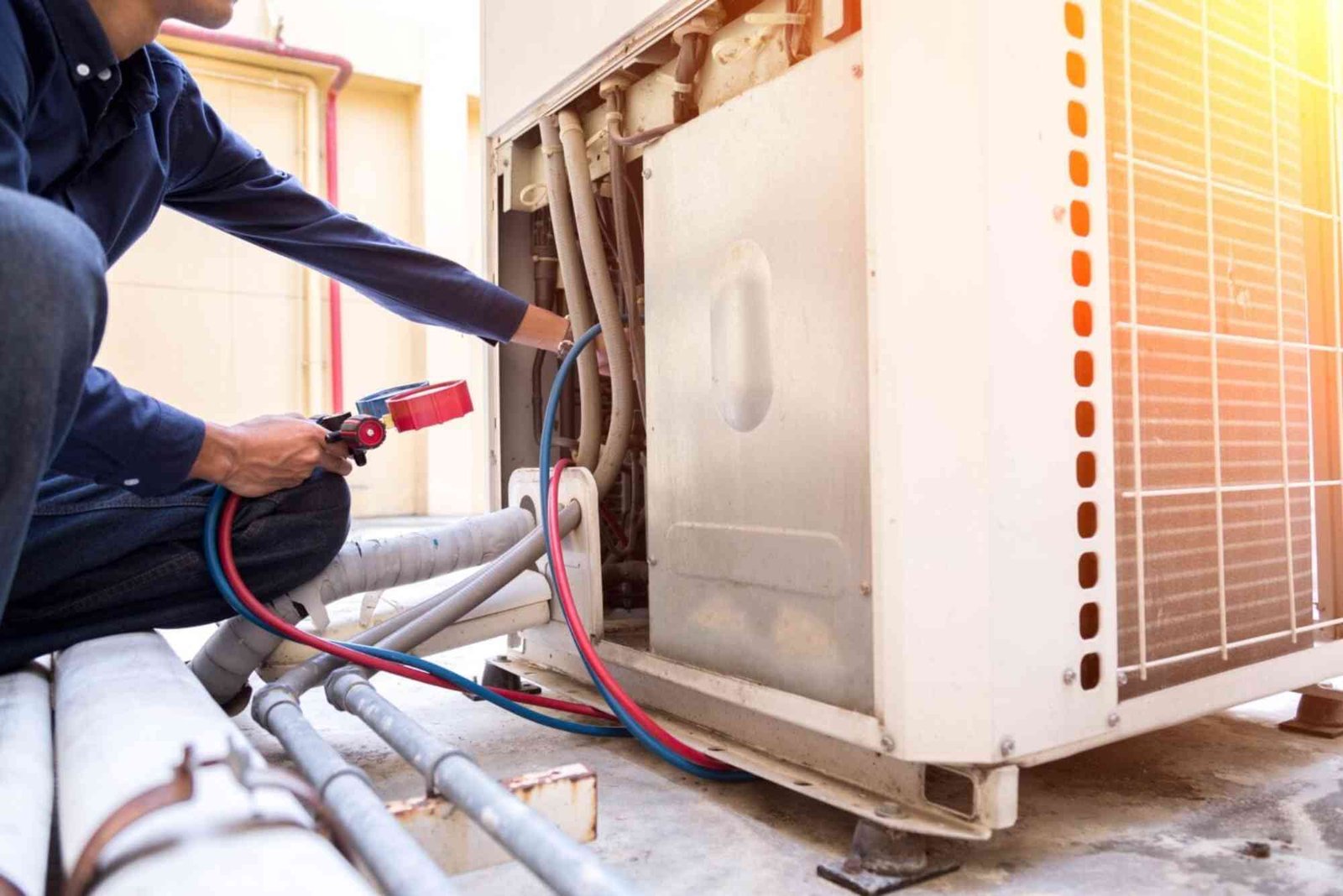
One of the most disruptive issues homeowners face is a sudden loss of cooling power. If your vents blow lukewarm air, low refrigerant levels are often the culprit. Refrigerant is a specialized chemical compound that absorbs and releases heat. It does not get consumed or depleted during normal operation like fuel. If your system runs low, it means a leak has developed somewhere in the copper tubing. Handling refrigerant requires specialized licenses and gauges to locate and seal punctures safely. Attempting a DIY recharge without fixing the leak provides only a temporary fix. Professional technicians must pressure test the system and patch the line before recharging it. Partnering with a certified O General ac Supplier ensures that any replacement fluids or components match your exact model specifications.
Frozen Evaporator Coils and Restricted Airflow
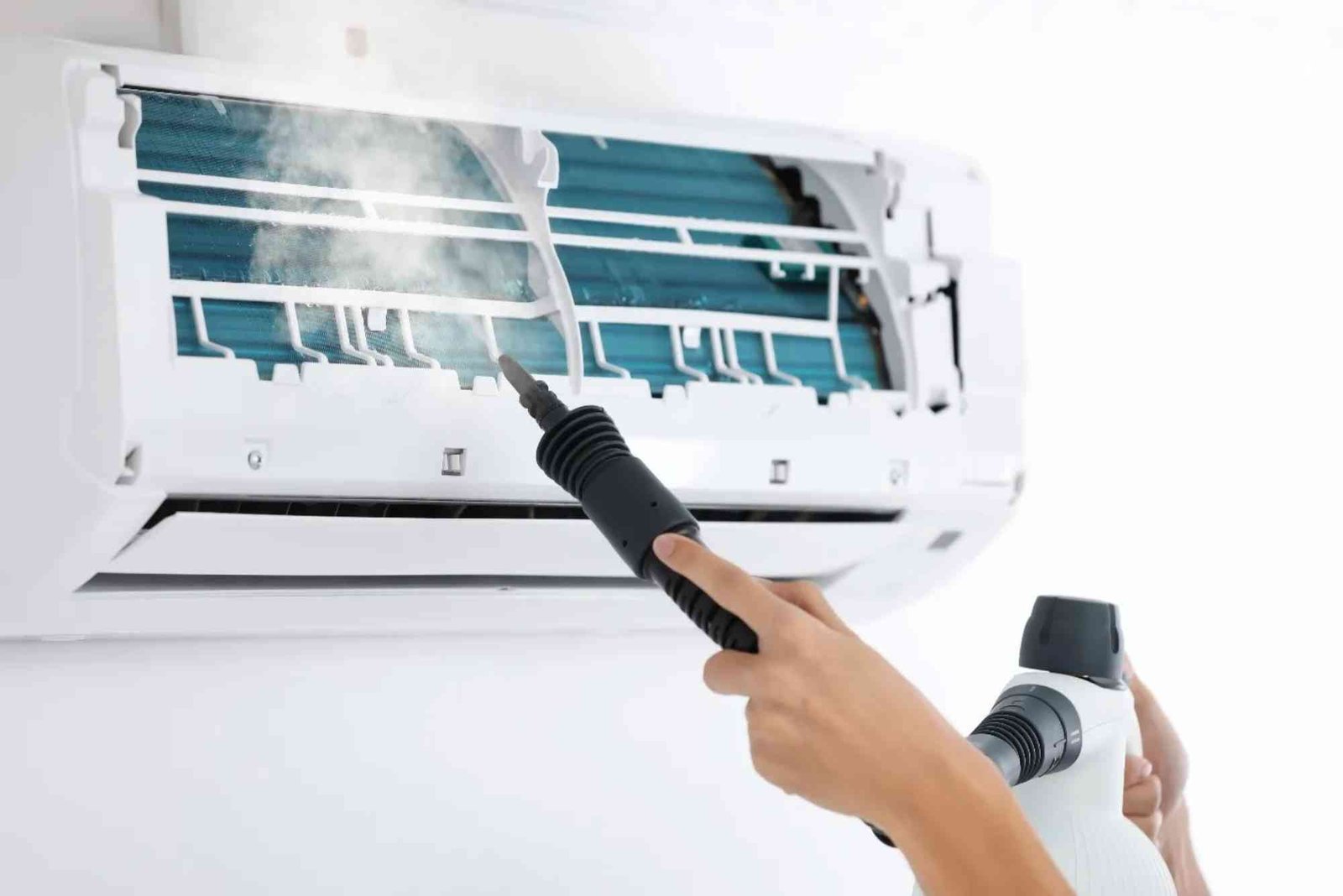
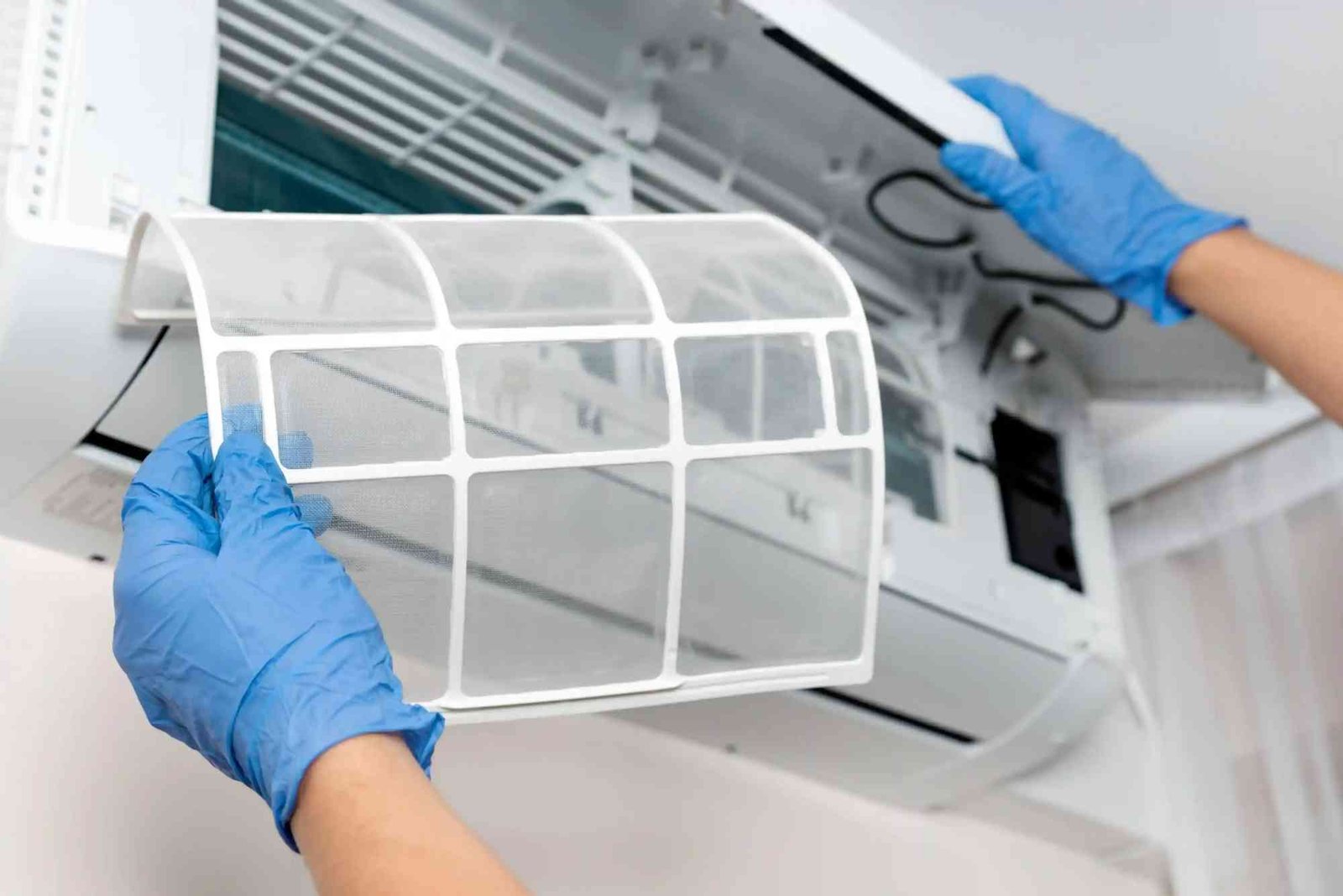
Ice buildup on your indoor unit is a clear sign that something is wrong. Many people assume that because an air conditioner produces cold air, freezing is normal. In reality, a frozen evaporator coil indicates that the system cannot absorb heat properly. This problem often stems from restricted airflow caused by severe dust buildup or low refrigerant pressure. When the coils freeze over, the unit stops cooling entirely and can strain the compressor. Turning the system off immediately is crucial to prevent permanent motor burnout. A technician will inspect the airflow path, check refrigerant pressures, and clean internal components safely. Resolving this issue quickly prevents costly secondary damage to your central cooling network.
Electrical Failures and Faulty Capacitors
Your air conditioner relies on a complex electrical network to start and run smoothly. Inside the outdoor unit, components like capacitors and contactors manage high-voltage power surges. When a capacitor fails, the compressor or fan motor may struggle to turn on or fail completely. You might hear a clicking or humming sound coming from the unit without any fan rotation. Electrical repairs involve working with dangerous voltage levels and live circuits. Trying to replace these heavy-duty parts without proper training poses severe safety risks. Professional HVAC technicians have the right diagnostic tools to test electrical loads and install safe replacements. Regular tune-ups can catch worn electrical parts before they leave you in the heat.
Clogged Condensate Drain Lines and Water Damage
Air conditioning units remove humidity from your indoor air as a byproduct of cooling. This moisture collects on the evaporator coil and drips down into a drain pan. From there, it flows through a PVC pipe out of your home. Over time, algae, mold, and dust can accumulate inside this narrow drain line and cause a blockage. When the water has nowhere to go, it backs up and overflows the drain pan. This can ruin drywall, warp flooring, and create mold growth near your indoor unit. Clearing a stubborn blockage often requires specialized suction tools and anti-algae treatments. Professional maintenance ensures that your condensate drainage system stays completely clear all season long.
Unusual Noises Indicating Mechanical Failure
Normal cooling operations produce a gentle hum of moving air and a faint click from the thermostat. However, loud or strange noises always point to underlying mechanical trouble. A screeching sound usually indicates a failing blower motor bearing or a slipped belt. A metallic grinding noise means that internal metal parts are rubbing together due to wear. Banging or clanking sounds suggest that a component has come loose inside the cabinet. Ignoring these auditory warnings can cause a minor loose part to shatter major internal mechanisms. A qualified technician can easily pinpoint the source of the noise and secure or replace the worn parts. Addressing unusual sounds early keeps your repair bills manageable and extends equipment life.


Short Cycling and Thermostat Malfunctions
Short cycling happens when your air conditioner turns on and off rapidly without finishing a cycle. This erratic behavior prevents your home from reaching the desired temperature and spikes your utility bill. It can be caused by an oversized unit, blocked airflow, or a malfunctioning thermostat. If the thermostat loses its calibration, it sends incorrect temperature signals to the main control board. Sometimes, simple wiring faults or dead batteries are the root cause of the erratic behavior. An expert technician can test the thermostat signals and check control board communication. Restoring proper cycle lengths reduces heavy startup strain on your compressor motor.
Conclusion
Maintaining a comfortable indoor environment relies heavily on prompt attention to system warning signs. From refrigerant leaks to electrical failures, complex AC issues demand expert knowledge and safe handling. Delaying necessary repairs only turns minor faults into expensive emergencies during peak summer months. Protect your indoor comfort and prolong your equipment’s lifespan by addressing issues early. Contact a certified HVAC professional today to schedule a comprehensive system inspection and tune-up.
Related Reading: Pet Care in UAE Summer: 7 Rules to Prevent Dangerous Heatstroke in Dogs
Related Reading: Repair or Replace? Cost Comparison for Stove Repairs in JVC Dubai Homes.
Related Reading: How to Fix a Stuck Gas Knob Without Replacing Parts in JVC Homes.
Related Reading: ألتيميت جيمر: منافسة ألعاب رقمية لتعكس مكانة جاكو كوجهة للترفيه التفاعلي
Related Reading: تخصص الجلدية: مفتاح البشرة الصحية والمظهر المشرق
Related Reading: Painting areas in Baton Rouge, LA