Introduction
Sandstorms across the Emirates bring a sudden rush of fine dust, strong winds, and hidden allergens. When the sky turns an amber hue, our dogs, cats, and exotic companions face invisible hazards. Fine particulate matter infiltrates windows, doors, and tiny airways. Without proper precautions, seasonal dust events can trigger severe breathing issues in domestic animals. Knowing How to Protect Pets During UAE Sandstorms: Respiratory Care Guide ensures your furry family members stay safe indoors and outdoors.
Understanding the Impact of UAE Dust Storms on Animal Lungs
The unique geography of the Arabian Peninsula exposes residents to frequent dust hazes. These storms carry microscopic sand particles, industrial pollutants, and fungal spores. When inhaled, these particles bypass upper nasal filters and lodge deep within lung tissues. Brachycephalic breeds like Persian cats and English Bulldogs face the highest risk. Their short nasal passages make natural air filtration difficult during high-pollution days. Understanding this threat helps owners act before mild coughing turns into an emergency.
Immediate Indoor Safety Protocols During a Dust Storm
Keeping pets indoors is the single most effective way to minimize exposure. Seal windows and balcony doors tightly to prevent fine dust from entering living spaces. Run high-efficiency particulate air purifiers in rooms where pets spend most of their time. Change your home AC filters frequently to catch circulating dust particles. Provide fresh indoor water bowls to keep mucous membranes hydrated throughout the day. Avoid sweeping floors with traditional brooms during a storm because this action kicks settled dust back into the air. Use a damp mop or a vacuum equipped with a HEPA filter instead.
Modifying Exercise and Outdoor Bathroom Routines
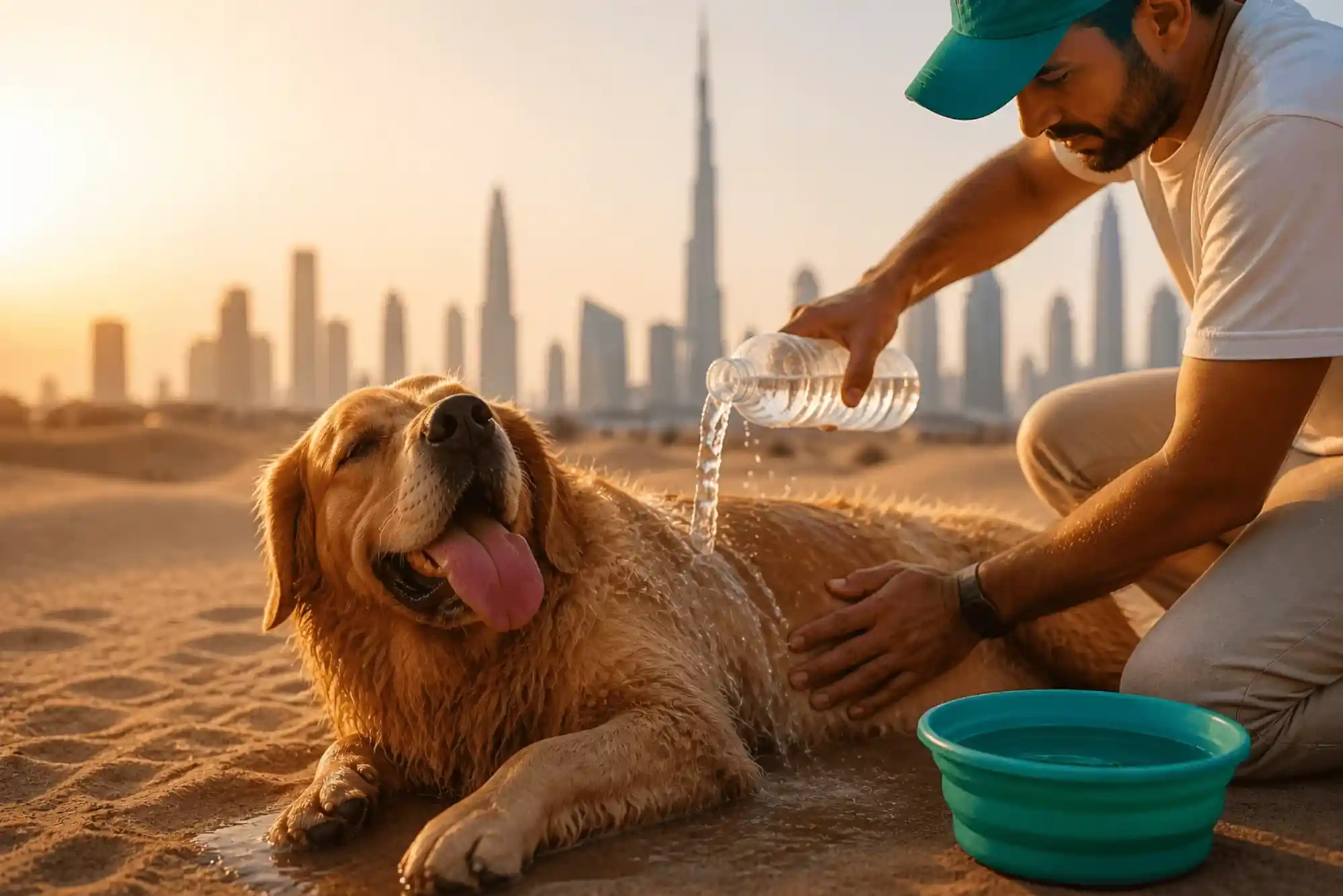
Urgent outdoor bathroom breaks remain necessary even when visibility drops outside. Limit walks to the absolute minimum duration required for waste elimination. Avoid strenuous exercise that forces your pet to breathe heavily and inhale larger volumes of contaminated air. Check local air quality indices before stepping outside with your dog or cat. For sensitive pets, consider using specialized animal-safe protective gear or temporary indoor grass patches. Wipe down your pet’s fur, paws, and face with a damp microfiber cloth immediately after any outdoor exposure. This routine removes trapped dust before grooming leads to ingestion or inhalation.
Recognizing Signs of Respiratory Distress in Dogs and Cats
Early detection of respiratory distress can prevent life-threatening veterinary emergencies. Watch closely for persistent coughing, wheezing, or unusual gurgling sounds while breathing. Notice if your pet extends their neck or uses abdominal muscles to force air in and out. Blue-tinged gums or tongue discoloration signal an immediate lack of oxygen requiring emergency intervention. Lethargy, sudden loss of appetite, and nasal discharge also indicate severe respiratory irritation. If you notice persistent wheezing, your dog might be developing Canine Bronchitis Airborne Dust complications that require professional veterinary evaluation and prescription medication.
Long-Term Respiratory Management and Veterinary Care
Chronic respiratory conditions require proactive planning well before storm season peaks. Schedule routine check-ups with your veterinarian to assess your pet’s baseline lung health. Discuss preventive treatments or rescue inhalers if your animal suffers from feline asthma or chronic bronchitis. Keep emergency clinic contact numbers and pet first-aid supplies easily accessible at home. Reliable local resources like the UAE Pet Care Pillar offer comprehensive insights into regional health hazards and seasonal wellness tips. Additionally, platforms like Thejvc connect concerned pet owners with trusted community guidelines and regional emergency services.


Frequently Asked Questions
How can I tell if my cat is having trouble breathing during a sandstorm?
Watch for rapid breathing rates exceeding thirty breaths per minute while resting. Open-mouth breathing in cats always signals severe respiratory distress or heat stress. Coughing, wheezing, and reluctance to move also indicate compromised lung function.
Are certain pet breeds more vulnerable to UAE dust storms?
Flat-faced breeds experience the highest vulnerability due to compromised upper airway anatomy. Persian cats, Pugs, Boxers, and Bulldogs struggle significantly more with heavy particulate air. Birds and small mammals with delicate respiratory systems also face extreme danger.
Should I leave air conditioning running for pets during a dust storm?
Continuous air conditioning keeps indoor air filtered and maintains a safe ambient temperature. Ensure your AC units feature clean filters to trap fine desert dust effectively. Avoid using swamp coolers because they increase indoor humidity and circulate outdoor dust particles.
What should I do if my pet inhales a large amount of sand?
Wipe their nose and eyes gently with a clean, damp cloth to remove surface grit. Monitor them closely for the next forty-eight hours for coughing or breathing changes. Contact an emergency veterinarian immediately if respiratory distress or persistent sneezing develops.