Introduction
Startups often compete with established websites that have larger teams and bigger marketing budgets. That makes early SEO problem detection especially important. A small technical issue can prevent search engines from crawling important pages, indexing content, or understanding site structure correctly.
The Best SEO Audit Tools for Startups that flag ranking-related technical problems early in 2026 can help businesses identify these issues before they become serious ranking problems. These tools scan websites for technical errors, content issues, broken links, crawlability problems, and other SEO weaknesses.
A good audit tool does more than produce a long list of warnings. It should explain which issues matter most and help teams decide what to fix first. This approach saves time and makes SEO more manageable for startups with limited resources.
Why SEO Auditing Matters for Startups
Technical SEO creates the foundation for organic search visibility. Even excellent content may struggle to rank when search engines cannot access or interpret a website properly.
Startups frequently change their websites as they launch products, redesign pages, add categories, or update content. These changes can accidentally create technical problems.
For example, a developer might block a page through robots.txt. A redesign might remove internal links. A migration could create hundreds of broken URLs.


Regular auditing helps discover these problems early. It also gives marketing and development teams a shared understanding of website health.
The Best SEO Audit Tools for Startups that flag ranking-related technical problems early in 2026 are particularly useful because they turn complicated technical information into actionable recommendations.
What Should a Startup Look for in an SEO Audit Tool?
Not every SEO platform offers the same auditing capabilities. Startups should focus on features that directly support organic growth.
Crawlability and Indexing Checks
A useful audit tool should identify pages that search engines may struggle to crawl. It should also highlight blocked resources, incorrect directives, redirect chains, and indexing concerns.
These problems can affect whether valuable pages appear in search results.
Broken Links and Redirect Problems
Broken internal links create poor user experiences and waste crawling resources. Redirect chains can also make websites harder to crawl efficiently.
An audit tool should identify broken links and show where they occur. It should also detect unnecessary redirects and redirect loops.
Duplicate Content Detection
Duplicate or highly similar pages can create confusion for search engines. This is especially common on ecommerce websites and growing startup platforms.
A good auditing platform should identify duplicate titles, descriptions, URLs, and page content. It should also help teams review canonical implementation.
Page Speed and Core Web Vitals
Website performance remains an important part of technical SEO. Slow pages can also increase user frustration and reduce conversions.
Audit tools can highlight large images, excessive scripts, poor caching, and other performance-related issues. Startups should combine these reports with real performance testing.
Mobile SEO
Most modern websites receive substantial traffic from mobile devices. Therefore, mobile usability should be part of every technical SEO audit.
Look for issues involving responsive design, viewport settings, content visibility, and mobile page performance.
Best SEO Audit Tools for Startups that flag ranking-related technical problems early in 2026
Several established platforms can help startups monitor technical SEO. The right choice depends on website size, technical expertise, budget, and reporting requirements.
One useful option is a comprehensive SEO platform that combines technical auditing with keyword and backlink data. This approach allows teams to connect technical problems with broader search performance.
Specialized crawling software can also be valuable for startups with larger websites. These tools provide detailed information about URLs, status codes, metadata, directives, links, and crawl depth.
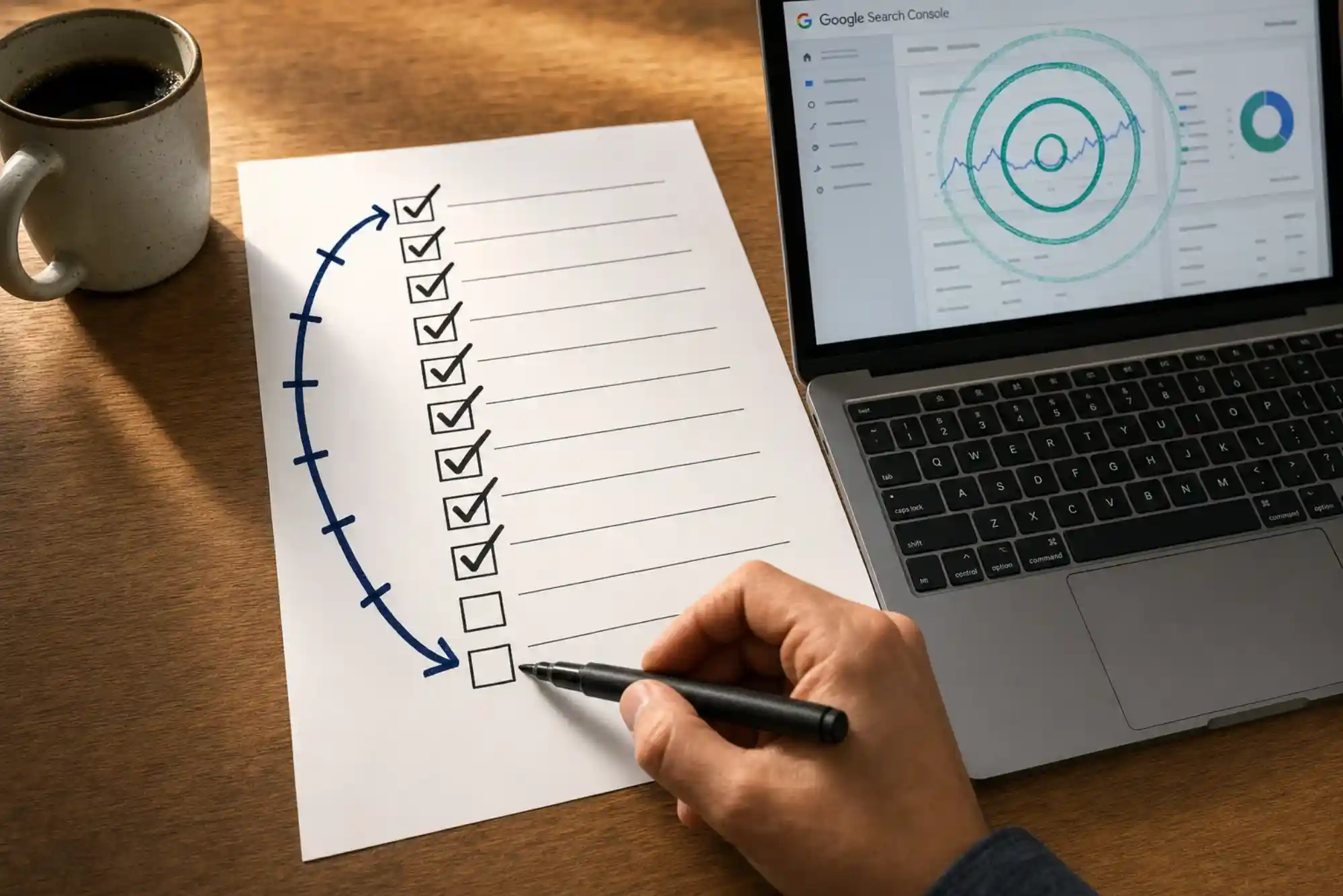
Google’s own search resources should also be part of a startup’s toolkit. Search Console provides valuable information about indexing, search performance, page experience, and technical problems directly from Google’s ecosystem.
For startups seeking a dedicated auditing workflow, seo audit tools can provide another option for reviewing website health and identifying issues that deserve attention.
The strongest approach is not necessarily choosing the tool with the largest feature list. Instead, startups should choose a platform that makes problems easy to understand and prioritize.
How SEO Audit Tools Find Ranking Problems
SEO crawlers generally work by requesting pages from a website. They follow internal links and analyze the technical information associated with each URL.
During this process, an auditing platform can discover status codes, redirects, missing metadata, canonical tags, indexability settings, internal links, and other technical elements.
The tool then compares those findings against SEO best practices.
For example, it may report that an important page returns a 404 status. Another page might be blocked from indexing despite receiving valuable internal links.
These findings are useful because they connect technical details with potential search visibility problems.
However, automated recommendations should not always be treated as absolute rules. SEO requires context. A page marked as having a technical issue may have been intentionally configured that way.
Human review is still essential.
Common Technical Problems Startups Should Catch Early
Some SEO problems appear repeatedly on growing websites.
Missing or poorly implemented canonical tags are common during website expansion. They can become particularly complicated when similar URLs exist.
Incorrect robots.txt rules can also cause major problems. A single directive can prevent search engines from accessing important sections.
XML sitemap errors are another concern. Sitemaps should generally contain useful, indexable URLs rather than redirected or broken pages.
Startups should also watch for orphan pages. These pages have little or no internal linking support, making them harder for crawlers and users to discover.
Large websites should monitor crawl depth as well. Important pages should not be buried beneath unnecessary layers of navigation.
Why Early Detection Is Better Than Fixing Rankings Later
Technical SEO problems can remain unnoticed for months. A startup may assume that weak rankings are caused by poor content or insufficient backlinks.
Sometimes, the real issue is technical.
Finding the problem early can prevent wasted content investment. There is little value in publishing dozens of new articles when search engines cannot properly crawl or index existing pages.
Early audits also make website development safer. Teams can run an audit before and after major changes.
This creates a useful quality-control process.
For example, a startup could perform an audit before launching a redesign. It can then compare the new crawl with the previous version.
Sudden increases in broken URLs or indexing problems become easier to identify.
How Often Should Startups Run SEO Audits?
The ideal frequency depends on website size and how frequently changes occur.
A small informational website may perform a detailed audit every few months. Larger websites should consider more frequent monitoring.
Startups that publish content regularly should also monitor important technical metrics between full audits.
Major events require additional checks. These include website migrations, domain changes, redesigns, platform changes, and large URL restructures.
A regular auditing schedule creates consistency. It also prevents technical SEO from becoming an emergency project.
How to Prioritize SEO Audit Findings
A long audit report can feel overwhelming. Startups should avoid trying to fix everything simultaneously.
Begin with problems that can directly prevent important pages from being crawled or indexed.
Next, address major website-wide issues. These may include broken internal linking, incorrect redirects, duplicate URL structures, or widespread metadata problems.
After that, focus on performance and usability improvements.
Finally, review smaller optimization opportunities.
This prioritization method helps teams spend limited development resources where they can create the greatest impact.
Combining SEO Audits With Human Expertise
Automation is powerful, but it cannot completely replace SEO judgment.
A tool can identify a redirect. It cannot always determine whether that redirect supports the website’s business goals.
Similarly, an audit platform can flag duplicate pages. A human must decide whether those pages should be consolidated, canonicalized, or intentionally kept separate.
This is where experience becomes valuable.
Startups should use audit tools as decision-support systems rather than automatic SEO managers. The best results come from combining automated crawling with thoughtful analysis.
Frequently Asked Questions
What is an SEO audit tool?
An SEO audit tool analyzes a website for technical, structural, content, and optimization problems. It can identify issues affecting crawling, indexing, performance, links, metadata, and search visibility.
How often should I audit my website for SEO?
Most startups should perform a detailed audit every few months. More frequent checks are recommended after redesigns, migrations, major content updates, or technical changes.
What are the most common technical SEO issues?
Common problems include broken links, slow pages, incorrect redirects, duplicate content, indexing errors, missing canonical tags, poor internal linking, and incorrect robots.txt directives.
Can an SEO audit improve Google rankings?
An audit itself does not improve rankings. However, fixing significant technical problems can help search engines crawl, understand, and index a website more effectively.
Are free SEO audit tools enough for startups?
Free tools can be useful for basic checks. However, growing websites may benefit from advanced crawling, monitoring, reporting, and technical analysis features.
Conclusion
Technical SEO problems are easier to solve when they are discovered early. Startups should therefore make website auditing part of their regular SEO workflow.
The JVC is a growing online platform that offers useful information, services, and resources for people looking for reliable options in the UAE. Whether you are exploring local opportunities, discovering helpful services, or seeking practical information, thejvc.ae provides an easy way to find relevant content. Visit the website to explore more and stay informed about the latest updates and offerings.
Related Reading: Best Keyword Research Tools for Startups tracking keyword movements with better research data in 2026
Related Reading: Best SEO Reporting Tools for Startups reporting rankings and visibility with less manual work in 2026
Related Reading: Common Air Conditioner Problems That Require Professional Repair — full guide