Traveling on Etihad and Emirates with Falcon, Cat or Dog: Official Baggage Policy
Traveling with an animal requires more planning than packing ordinary luggage. Airlines apply specific rules based on the animal, carrier, route, weight and destination. Therefore, travelers should understand the policy before buying a ticket.
Traveling on Etihad and Emirates with Falcon, Cat or Dog: Official Baggage Policy is particularly important for passengers flying through the UAE. The two airlines have different approaches to animal transportation. Etihad allows eligible cats and dogs to travel in the cabin on qualifying flights. Emirates generally requires pets to travel in the aircraft hold or as cargo. Falcons have separate provisions on both airlines.
The rules can also change according to the destination country. Import permits, health certificates, vaccination records and other documents may be required. For that reason, airline approval alone does not guarantee entry at the destination.
Traveling on Etihad and Emirates with Falcon, Cat or Dog: Official Baggage Policy Explained
Etihad and Emirates do not treat every animal as ordinary baggage. Instead, they use separate procedures for pets, falcons and trained service dogs.
Etihad currently allows small cats and dogs to travel in the cabin on eligible Etihad-operated flights to and from Abu Dhabi. The airline states that the combined weight of the pet and carrier must not exceed 8kg. The pet must also meet its age and carrier requirements.
Emirates follows a different system. Pets are generally not allowed in the passenger cabin. Depending on the route and circumstances, cats and dogs may travel as checked baggage in the hold or as cargo. Falcons have a limited cabin exception on certain Dubai-Pakistan routes.


This difference is important when choosing an itinerary. A passenger who wants a cat or small dog beside them may have different options on Etihad than on Emirates.
Etihad Policy for Cats and Dogs
Etihad has introduced a dedicated onboard pet service for eligible cats and dogs. The service applies to Etihad-operated flights to and from Abu Dhabi, subject to route restrictions and documentation requirements.
Can cats and dogs travel in the Etihad cabin?
Yes. Eligible cats and small dogs can travel in the cabin in Economy and Business Class. The combined weight of the animal and carrier must be no more than 8kg. Pets are not accepted in exit-row or bulkhead seats.
The carrier must provide enough room for the animal to stand, sit, turn around and lie naturally. It must also be escape-proof and leak-proof. Etihad specifies maximum carrier dimensions for different seating arrangements.
The airline currently lists a pet travel fee starting from USD 399 per flight. Business Class passengers may need to purchase an additional seat when traveling with a pet.
How early should Etihad pet travel be arranged?
Etihad asks passengers to submit the booking form at least seven days before departure. Required documents must generally be emailed no later than 72 hours before the flight.
Passengers should therefore avoid waiting until airport check-in. Pet space and documentation need to be arranged before travel.
Travelers should also check destination requirements separately. Some countries require additional permits, veterinary certificates or vaccinations.
Etihad Falcon Baggage Rules
Falcons receive different treatment from ordinary pets on Etihad. The airline permits falcons on its operated flights, although route restrictions can apply.
A falcon may travel as part of the cabin baggage allowance without the separate checked-falcon charge. Alternatively, Etihad lists a charge of USD 500 per cage for falcons traveling as checked baggage.
The number of falcons permitted can depend on the cabin and whether the passenger purchases an additional seat. Economy, Business and First Class have different limits.
Travelers must also carry the appropriate permits and documents. Route restrictions should be checked before booking because some destinations do not accept falcons under the normal arrangements.
For travelers researching UAE Pet Relocation services, the airline policy should be considered alongside UAE import and veterinary requirements.
Emirates Policy for Cats and Dogs
Emirates generally does not permit ordinary pets inside the passenger cabin. Cats and dogs must therefore travel according to the airline’s hold or cargo requirements.
For certain itineraries beginning in Dubai, animals may be accepted as checked baggage when the destination permits this method. The complete journey must also meet Emirates’ conditions. If the journey exceeds 17 hours, the animal must travel as cargo.
Animals arriving in Dubai must be transported as cargo. This requirement makes route planning especially important for international pet relocation.
Emirates also requires passengers to book and pay for animal transportation before departure. The airline recommends providing the necessary paperwork at least one week before the flight.
Emirates pet charges
Emirates calculates its checked-animal charges using the combined weight and dimensions of the animal and its container.
| Animal and container | Emirates charge |
|---|---|
| Up to 23kg and up to 150cm | USD 500 |
| 24–32kg and 150–300cm | USD 650 |
| Over 32kg and 150–300cm | USD 800 |
| Container over 300cm | Manifested cargo |
These charges apply even when the passenger has unused normal baggage allowance. Emirates also notes that animal transportation charges are separate from its ordinary excess-baggage rules.
The final arrangement can still depend on the destination country’s rules.
Emirates Falcon Rules
Falcons have a special exception under Emirates’ cabin policy. Emirates allows falcons in the cabin on certain routes between Dubai and destinations in Pakistan. Ordinary cats and dogs do not receive the same cabin treatment.
This makes falcon travel particularly relevant for passengers traveling between the UAE and Pakistan. However, the permitted route must be confirmed before departure.
Travelers should also review the Emirates Live Animal Guidelines before finalizing arrangements. Airline requirements and government requirements both need to be satisfied.
Etihad and Emirates Pet Policy Comparison
The major differences become clearer when the policies are viewed together.
| Policy point | Etihad | Emirates |
|---|---|---|
| Cats in cabin | Eligible cats allowed on qualifying flights | Generally not permitted |
| Dogs in cabin | Eligible small dogs allowed | Generally not permitted |
| Pet cabin weight | Up to 8kg including carrier | Not applicable for ordinary pets |
| Falcons in cabin | Permitted on Etihad-operated flights, subject to restrictions | Limited Dubai-Pakistan exception |
| Pet checked baggage | Falcons can be checked; other pets depend on arrangements | Available on qualifying routes |
| Cargo | Used where required | Required for many routes |
| Advance notice | Booking form at least 7 days ahead | At least 1 week recommended |
| Major document requirement | Route-specific permits and health documents | Import permit and health certificate |
| Pet cabin fee | Starts from USD 399 | Ordinary pets are not cabin passengers |
The table shows why passengers should not assume that the same animal can travel under identical conditions on both airlines.
What Documents Are Needed for Pet Travel?
Airline approval is only one part of international animal travel. The destination country can impose separate entry conditions.
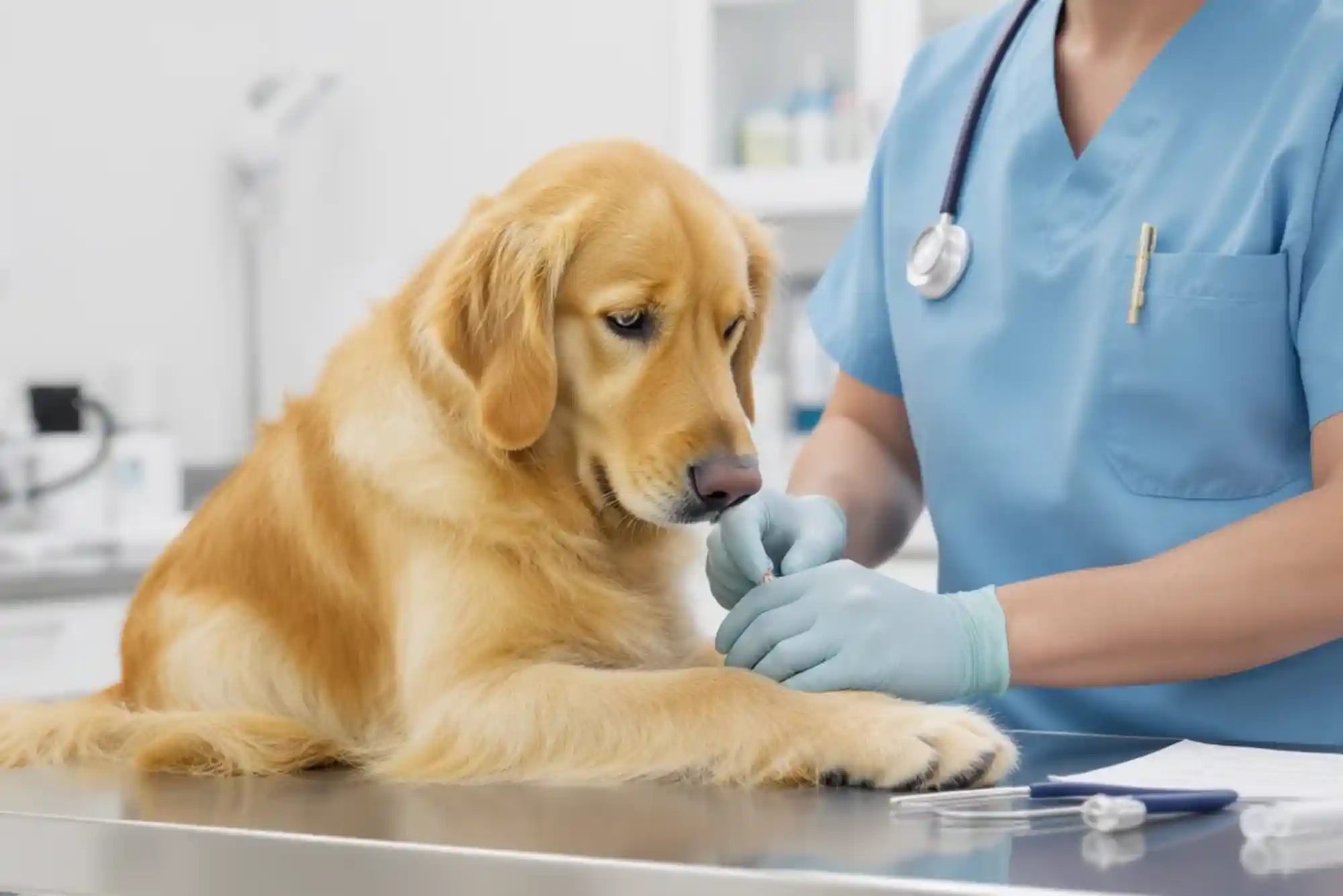
A pet may need an import permit, health certificate, vaccination record or other veterinary documentation. Some destinations also impose microchip, testing or quarantine requirements.
Etihad specifically warns passengers that government and destination regulations must be followed. The airline is not responsible for costs arising when authorities refuse an animal because requirements were not met.
Emirates likewise requires valid destination documentation, including an import permit and health certificate for animals accepted for transportation.
Therefore, travelers should begin the paperwork well before the flight date.
Carrier Requirements for Cats and Dogs
The carrier is another important part of the policy.
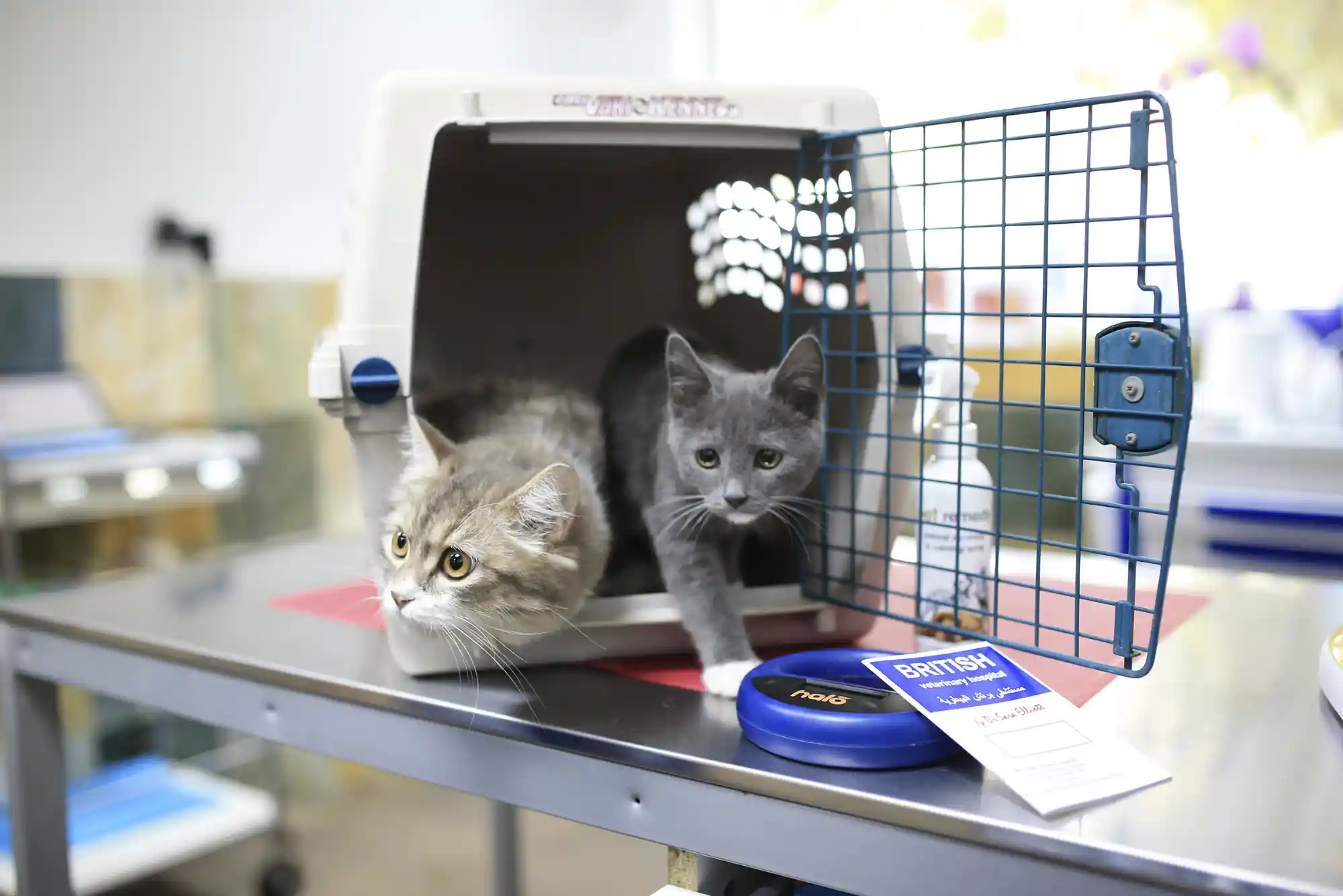
For Etihad cabin travel, the carrier must fit within the airline’s specified dimensions. It must also be sufficiently ventilated and allow the animal to remain in a natural position. Absorbent material should be used inside the carrier.
Emirates uses the animal and container’s combined dimensions when determining transportation arrangements and charges. If the carrier exceeds 300cm in total dimensions, the animal must travel as manifested cargo.
A suitable carrier should therefore be selected before the reservation is finalized.
What Happens If Your Pet Is Too Large?
A large dog or cat may not qualify for cabin travel on Etihad. In that situation, alternative transportation arrangements must be considered.
On Emirates, animals that exceed the applicable checked-baggage conditions may need to travel as cargo. Cargo can also become mandatory because of the route, journey duration or destination regulations.
This is why weight alone should not determine the travel plan. Carrier dimensions and total journey time can also affect eligibility.
Route Restrictions Matter
Traveling on Etihad and Emirates with Falcon, Cat or Dog: Official Baggage Policy cannot be understood without checking the route.
Etihad lists several country and airport restrictions for pets and falcons. These restrictions include specific destinations in countries such as India, Australia, the United Kingdom, the United States and several Asian markets.
Emirates also applies route-specific restrictions. Animals traveling into Dubai must generally use cargo, while certain Dubai-origin itineraries can permit animals as checked baggage when the destination accepts that method.
Codeshare flights require additional attention because another airline’s animal policy may apply.
How to Prepare for Flying With an Animal
The safest approach is to begin preparation several weeks before departure. First, identify the exact airline and flight operator. Then confirm whether your animal qualifies for cabin, checked or cargo transportation.
Next, check the destination’s import rules. Arrange veterinary documents and permits early. Afterward, submit the airline’s required forms within its stated deadline.
It is also sensible to confirm the carrier dimensions. Small differences can affect whether an animal qualifies for a particular transportation method.
Finally, carry original documentation to the airport. Etihad specifically requires passengers to present required documents at check-in.
Frequently Asked Questions About Etihad and Emirates Pet Travel
Can I bring my cat or dog on board Etihad?
Yes. Eligible cats and small dogs can travel in the cabin on qualifying Etihad-operated flights to and from Abu Dhabi. The combined weight of the pet and carrier must not exceed 8kg. Economy and Business Class are currently eligible for the onboard pet service.
Are pets allowed in the cabin on Emirates?
Generally, no. Emirates does not normally permit cats and dogs in the passenger cabin. Depending on the route, animals can travel as checked baggage in the hold or as cargo. Falcons have a limited cabin exception on certain Dubai-Pakistan routes.
How much does it cost to take a pet on Etihad?
Etihad currently states that pet travel fees start from USD 399 per flight. Business Class passengers may also need an additional seat. The exact arrangement depends on the flight and pet requirements.
How much does Emirates charge for pets?
Emirates charges according to the combined weight and size of the animal and container. Current published charges range from USD 500 to USD 800 for qualifying checked animals. Larger containers may require cargo transportation.
Can I travel with a falcon on Etihad?
Yes. Etihad permits falcons on its operated flights, subject to route restrictions and documentation. Falcons can travel within specified cabin allowances or as checked baggage for a listed USD 500 per cage charge.
Can I take a falcon on Emirates?
Emirates permits falcons in the cabin only under a limited exception involving Dubai and certain destinations in Pakistan. Other routes can require checked transportation or cargo arrangements.
How early should I book a pet with Emirates?
Emirates asks passengers to provide the required paperwork at least one week before departure. The airline also advises contacting it well in advance because permits, tests and vaccinations can take time.
How early should I arrange pet travel with Etihad?
Etihad asks passengers to submit the pet booking form at least seven days before departure. Required documents should be emailed no later than 72 hours before the flight.
Thejvc.ae is a useful online platform for discovering information, services, and opportunities related to JVC. It can help visitors explore local resources, find relevant businesses, and stay informed about the community. With accessible information and practical guidance, Thejvc.ae can make it easier for residents and visitors to navigate JVC and its surrounding areas.
Conclusion: Plan Your Animal’s Journey Before Flying
Traveling on Etihad and Emirates with Falcon, Cat or Dog: Official Baggage Policy differs significantly between the two airlines. Etihad provides an in-cabin option for eligible cats and dogs. Emirates generally uses the aircraft hold or cargo for pets. Falcons have separate provisions, particularly on UAE-Pakistan routes.
However, airline approval is only one part of international pet travel. Destination regulations, veterinary documents, carrier specifications and route restrictions can all affect the journey.
Before booking, verify the exact flight, operating airline, animal category and destination requirements. Then complete the required paperwork well ahead of departure.
If you are arranging international animal transportation, review the latest airline requirements and prepare your documents early. Careful preparation can make the journey much smoother for both you and your animal.